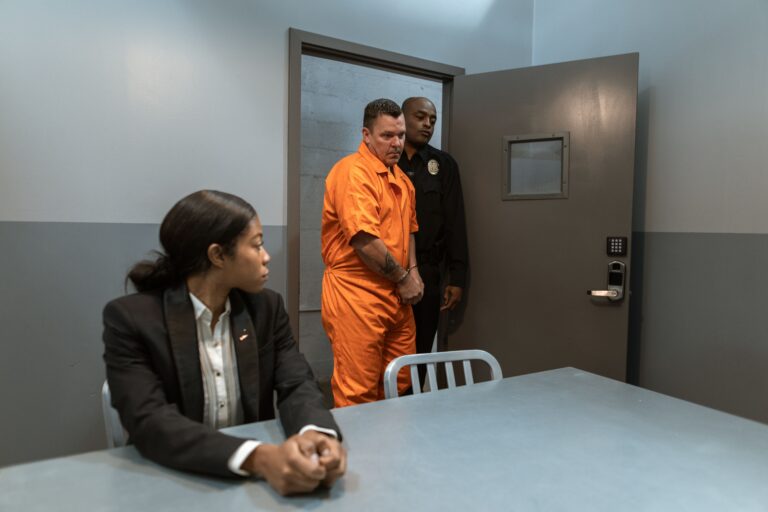

Selecting the right forensic mental health expert can materially affect the outcome of a case—whether criminal or civil. Not all clinicians are equally suited for forensic work or for a given consultation question or client/plaintiff. The best expert is not simply credentialed—they are experienced, neutral, methodologically sound, and well-matched to the legal question at hand. Thoughtful vetting upfront can meaningfully strengthen a case and protect it from avoidable challenges later.
1. Forensic Expert Work and Clinical Expertise are Related – but Distinct
Though strong clinical and evaluation knowledge are foundational for forensic mental health expertise, not every strong clinician is a strong expert. Treating clinician and mental health expert/consultant are two distinct roles. Notes and documentation for patient charts are very different than mental health expert reports. And questions and interview techniques for diagnosis and treatment of illness will be insufficient for answering most forensic questions. Forensic training, experience and/or access to supervision by experienced experts are all critical and your hire should understand these distinctions. It’s imperative that they possess the required skill set and supports to be an asset to your team.
2. Professional Degrees Only Tell You So Much
Different cases may require that the expert has advanced study, scholarship, or clinical experience with certain populations, diagnoses, and/or social determinants of health. Mental health professionals often have areas of specialization or pockets of clinical experience. Thus you can only get so far just knowing if they are a psychologist, psychiatrist or social worker. Whether the question is one of competence to stand trial, criminal responsibility, mitigation, psychic injury or fitness-for-duty, knowing someone’s professional designation isn’t enough to know if they’re a good fit. The forensic question and client’s background should inform a detailed review of the potential experts’ scholarship, clinical experience, and areas of study. In doing so, legal teams can ensure the clinician’s training and case history align with the case needs.
3.Assessing the Expert’s Objectivity is Important
Hired guns hold little credibility with courts. Your team is best served by an expert who can help your team identify your case’s strengths and vulnerabilities, whose opinion is defensible, and who reviews relevant information before making conclusions. Attorneys should be cautious of experts who promise a favorable opinion or can not acknowledge multiple sides of a case. A skilled forensic expert understands their role is to assist the trier of fact by providing a credible professional opinion – not retrofitting their finding to what the hiring attorney wants.
4. Past Work is the Best Predictor of Future Report Quality
In most cases, the expert report is the primary, or even only, forensic mental health consultation product. A strong expert should reliably produce reports that are clear, well-organized, grounded in data, and effective in conveying issues relevant for the court’s consideration. Legal teams often attempt to extrapolate what the report quality may be from an expert’s resume or an initial phone call. While this may provide some helpful information, the best predictor of future report quality is past report quality. Requesting redacted reports in similar cases is an under-used vetting method by legal teams.
5. Evaluating Courtroom Experience and Communication Skills
Even the most impressive credentials can fall short if testimony is required and the expert cannot explain opinions clearly in deposition or open court. Attorneys should inquire about testimony experience, comfort with cross-examination, and ability to communicate complex mental health concepts in plain language. Testimony is, in effect, teaching. Does the expert have experience with transmitting information verbally to a lay audience in classroom, community or court settings? And how do they do when respectfully challenged by the legal team?