
National Depression Screening Day is October 8. It provides an opportunity to focus on people who spend their professional lives dealing with other people’s trauma, conflict, loss, and crises. That includes attorneys. Lawyers routinely encounter people at the most emotionally taxing moments of their lives. Criminal allegations, victimization, family disputes, catastrophic injuries, financial devastation, abuse, death, and professional crises can expose attorneys to an enormous amount of human suffering. Over time, that exposure can take a toll.
A 2026 national survey of nearly 37,000 practicing lawyers found that 21.7% reported moderate-to-extremely severe symptoms of depression, while 47.4% screened positive for high burnout. Litigation was among the practice areas associated with greater levels of mental-health distress. The same study found that 53.3% of lawyers identified confidentiality concerns as a barrier to seeking help, while 49.2% identified concerns about reputation or career consequences. The concern isn’t difficult to understand. Lawyers operate in a profession where competence, judgment, reliability, and professional fitness are constantly scrutinized. For some, acknowledging depression, anxiety, trauma, or other mental-health concerns can feel like exposing a professional vulnerability. But silence does not make the underlying problem disappear. And nothing about law school or passing the bar makes lawyers immune from the range of human experiences. Just because vicarious trauma can become routine does not mean it is not impactful. It’s paramount that attorneys are deliberate about their own mental health, be it preventative self-care when things are fine or therapeutic interventions when symptoms become impairing or highly distressing.
The issue extends beyond litigators. Mitigation specialists regularly work closely with criminal defendants, convicted individuals and their loved ones under the weight of regret, grief, conflict, fear, and shame. And in capital cases, the stakes are literally life and death. For all parties, recognizing the signs of burnout, anxiety, depression or vicarious trauma in themselves is not an admission of weakness. It’s part of recognizing that mental health is affected by the work we do and that professionals who spend their careers helping others also need access to appropriate support.
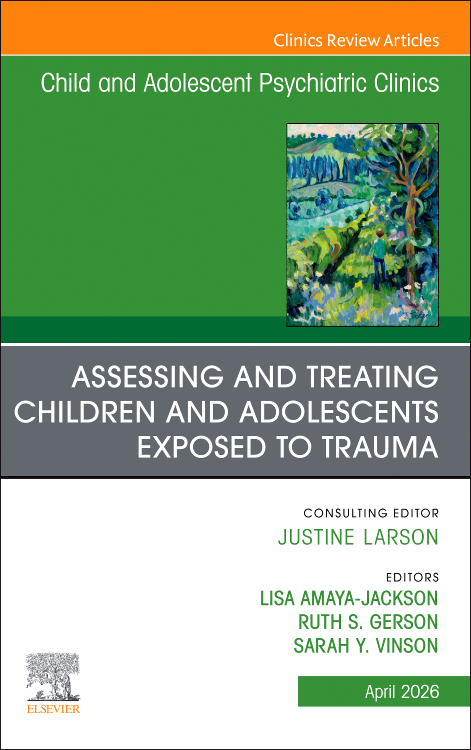
The old saying goes, “Physician health thyself.” Sustainable advocacy for others requires a form of mental wellbeing self advocacy. When symptoms go unaddressed, personal relationships are at risk, and ultimately, clients’ representation may suffer as well. Dr. Sarah Vinson, Lorio Forensics’ Principal Consultant, has worked with officers of the court across the country to foster reflection and dialogue on attorney and judge mental health. In the past she presented on ‘Secondary Traumatic Stress’ to a statewide judges training in Utah, the Florida State Bar Association, and various other state and national attorney conferences. These presentations incorporate her extensive clinical background and time working directly with officers of the court. Dr. Vinson remains committed to supporting these critical conversations. National Depression Screening Day gives us an opportunity to ask the important questions and move towards answers.